Post

How to Rank a New Website on Google Faster
If you just launched a website, you’ve probably already noticed the frustrating truth: Google doesn’t hand out rankings overnight. New sites usually sit in what SEOs call the “sandbox” period, a stretch of weeks or months where Google is still figuring out whether your site is trustworthy enough to show to real searchers.
Follow Us on Facebook, Instagram & LinkedIn
The good news? You can’t skip this phase entirely, but you can absolutely shorten it. Below is a practical, no-fluff roadmap to rank a new website on Google faster, based on what actually moves the needle for new domains this year.
Why rank a new website on Google faster Take Time?
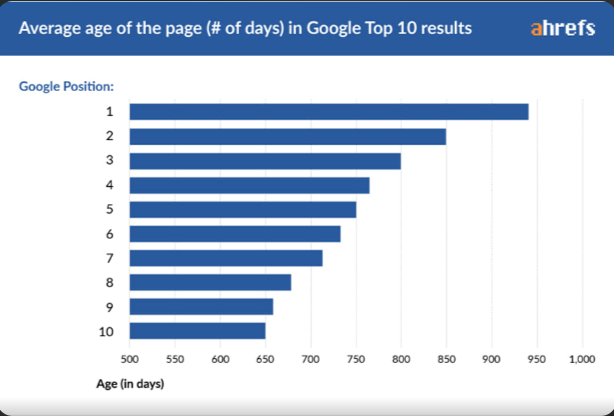
Before jumping into tactics, it helps to understand what’s happening behind the scenes. Google’s algorithm relies heavily on trust signals, backlinks, user engagement, content depth, and site history, none of which a brand-new domain has yet. This is sometimes called the “Google sandbox,” though Google itself has never officially confirmed it exists as a formal filter. What is confirmed is that domain age and crawl history play a role in how quickly new pages get indexed and trusted, according to Google’s own documentation.
The goal isn’t to trick this system, it’s to feed it the signals it’s looking for, faster and more efficiently than your competitors.
1. Start With Real Keyword Research, Not Guesses
Every fast-ranking new site starts with keyword research that targets low-competition, high-intent terms instead of broad, saturated ones. Trying to rank a brand-new domain for “best running shoes” is a losing battle. Instead, look for long-tail keywords, specific, lower-volume phrases with clear buyer or searcher intent, like “best running shoes for flat feet under $100.”
Free and paid tools like Ahrefs’ Keyword Generator or Google’s own Keyword Planner can help you find these gaps. The idea is simple: pick fights you can actually win first, then expand once your domain has earned some authority.
2. Nail Your On-Page SEO From Day One
On-page SEO is the one area you have full control over, so there’s no excuse for getting it wrong. This means:
- One clear, keyword-rich H1 per page
- Descriptive title tags and meta descriptions (more on this below)
- Logical header structure (H2s, H3s) that mirrors how people actually search
- Internal links connecting related pages
- Descriptive, keyword-aware image alt text
None of this is glamorous, but it’s the foundation everything else builds on. A technically clean page with strong on-page SEO gives Google far less reason to hesitate about indexing and ranking it.
3. Fix Technical SEO and Site Speed Early
Technical SEO issues quietly kill more new websites than bad content ever does. Slow load times, broken links, missing sitemaps, and poor mobile responsiveness all send negative signals to Google’s crawlers.
Run your site through Google PageSpeed Insights and fix anything flagged as critical. Prioritize:
- Site speed aim for a load time under 2.5 seconds
- Mobile-friendliness (Google uses mobile-first indexing)
- A clean XML sitemap submitted through Search Console
- HTTPS security (non-negotiable at this point)
4. Get Indexed and Monitored With Google Search Console
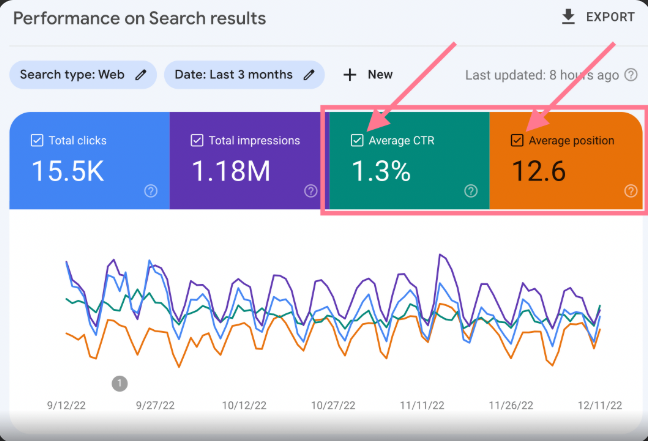
This step is free, takes ten minutes, and far too many people skip it. Set up Google Search Console, submit your sitemap, and manually request indexing for your most important pages. This doesn’t guarantee instant ranking, but it does speed up discovery, Google can’t rank a page it hasn’t crawled yet.
Search Console also becomes your early warning system for indexing errors, mobile usability issues, and manual actions, so check it weekly during your first few months.
5. Build Backlinks: But Prioritize Quality Over Speed
Backlinks remain one of the strongest ranking signals Google uses, and this is usually the slowest piece of the puzzle for new sites. Resist the urge to buy cheap, spammy links, it can trigger penalties that set you back further than doing nothing at all.
Instead, focus on:
- Guest posting on relevant, established sites in your niche
- Digital PR (getting featured in roundups, expert quotes, or news mentions)
- Building genuinely useful content that other sites want to reference
- Reaching out to industry directories relevant to your niche
Moz’s Beginner’s Guide to Link Building is a solid starting point if you’re new to outreach.
6. Publish Consistently and Demonstrate E-E-A-T
Google evaluates content through the lens of E-E-A-T, Experience, Expertise, Authoritativeness, and Trustworthiness. For a new site, this means:
- Publishing content written or reviewed by someone with genuine expertise
- Adding author bios with real credentials
- Keeping an “About” and “Contact” page that clearly show who’s behind the site
- Updating older posts rather than abandoning them
Consistency matters more than volume. Ten well-researched, genuinely useful articles published over two months will outperform fifty rushed, thin posts every time.
Bringing It All Together
There’s no single trick that ranks a new website overnight, anyone promising that is selling something. What actually works is layering the fundamentals: solid keyword research, clean on-page SEO, a technically sound site, genuine backlinks, and consistent, expert-backed content. Do these well and consistently, and most new websites start seeing meaningful movement within 3 to 6 months instead of the 9-to-12-month timeline that neglect usually produces.
SEO rewards patience paired with precision. Get the groundwork right early, and Google’s trust, and your rankings, will follow.
FAQs
How Long Does It Actually Take Rank A New Website On Google Faster?
Most new websites start seeing measurable rankings within 3 to 6 months, though highly competitive niches can take longer. Sites that nail technical SEO and get early backlinks tend to move faster.
Does Domain Age Affect Google Rankings?
Yes, to some degree. Google’s systems tend to trust older domains with a clean history more readily, but strong content and links can help newer domains close that gap over time.
Is It Worth Buying Backlinks To Rank Faster?
No. Purchased or spammy backlinks violate Google’s guidelines and can result in manual penalties. Focus on earned backlinks through guest posts, PR, and genuinely useful content instead.




Social Media Marketing Packages in Pakistan: What's Included & Cost
Website Development Cost in Lahore: What You'll Really Pay
Digital Marketing for Clinics & Doctors in Lahore: Get More Patients
WhatsApp Marketing in Pakistan – Turn Inquiries Into Sales
Home Services Marketing in Lahore: Google Ads Guide
Local SEO for Lahore Businesses: Get More Calls & Inquiries
Pakistani Businesses AI Search: 8 Proven Steps This Year