Post

The Complete Local SEO Checklist Guide
If you run a business that depends on foot traffic, phone calls, or “near me” searches, ranking locally isn’t optional anymore, it’s survival. Nearly half of all Google searches today carry local intent, and if your business isn’t showing up in the local pack when someone searches “plumber near me” or “best coffee shop in city,” you’re handing customers straight to your competitors. The good news? Local SEO isn’t a mystery. It comes down to a handful of controllable factors that Google weighs when deciding who to show first. Below is a practical, no-fluff checklist you can actually work through this week. Let’s find more about local seo checklist.
How To Optimize Your Website Quickly
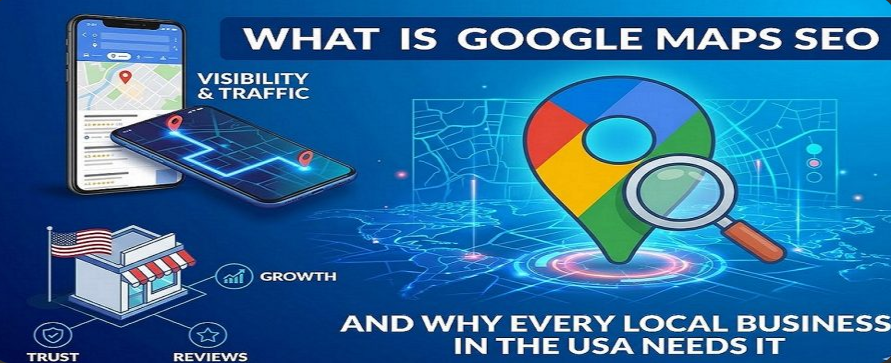
Claim and Fully Optimize Your Google Business Profile
Your Google Business Profile (GBP) is the single heaviest local ranking factor Google uses, and it’s also the one most businesses half-finish and forget about. Treat it like a living asset, not a one-time setup.
- Claim and verify your listing through Google Business Profile
- Fill out every field: hours, phone number, website, services, and a keyword-rich business description
- Choose the most accurate primary business category, this alone determines which searches you’re even eligible to appear in
- Add secondary categories for everything else you offer
- Upload fresh photos regularly (profiles with 100+ photos consistently get far more calls and direction requests than sparse ones)
- Post updates, offers, and announcements weekly to keep the profile “active” in Google’s eyes
Nail Your NAP Consistency
NAP consistency, your business Name, Address, and Phone number, needs to match exactly across your website, GBP, and every directory you appear on. Even small discrepancies (like “St.” vs “Street”) can quietly suppress your rankings because they make Google less confident your business is real and trustworthy.
Run a citation audit using a tool like Moz Local or BrightLocal to catch mismatches across the web.
Build and Manage Local Citations
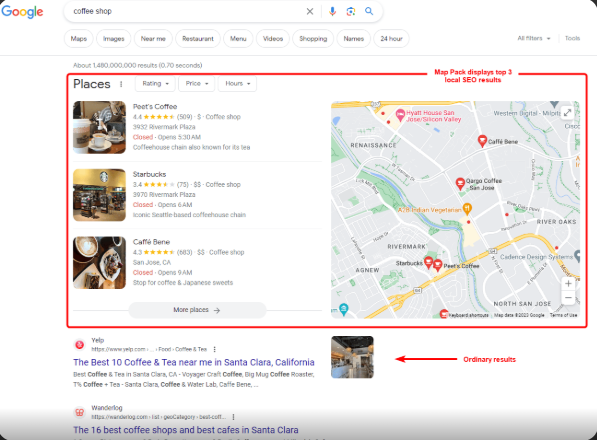
Beyond NAP consistency, you want your business listed accurately on the directories that matter: Yelp, Apple Maps, Bing Places, industry-specific directories, and local chamber-of-commerce sites. These local citations act as trust signals that reinforce what your GBP is already telling Google.
Make Reviews a Priority, Not an Afterthought
Google reviews are consistently ranked among the top three local ranking factors, right alongside relevance and proximity. But it’s not just about star rating, review velocity (how often you get new reviews) and how you respond matter too.
- Build a simple system to ask every happy customer for a review
- Respond to all reviews, good and bad, within a few days
- Never buy or fake reviews, Google’s spam detection has gotten aggressive about this, and getting caught can tank your entire profile
Follow Us on Facebook, Instagram & LinkedIn
Create Location-Specific Landing Pages
If you serve multiple cities or neighborhoods, don’t rely on one generic “services” page. Build dedicated location pages for each area you serve, with unique content (not copy-pasted text with the city name swapped out), local landmarks, testimonials from that area, and embedded maps.
Optimize for Mobile and Page Speed
Most local searches happen on a phone, often while someone is already out and looking for somewhere to go. Core Web Vitals, things like load speed and interactivity, directly affect both rankings and whether that visitor actually calls you or bounces. Compress images, use a reliable host, and avoid bloated scripts that slow things down.
Earn Local Backlinks
Links from other local businesses, news outlets, or community organizations tell Google you’re a real, embedded part of the community. Sponsor a local event, join your chamber of commerce, or get featured in local press, these local backlinks carry more weight than generic directory links.
Use Local Keywords Naturally
Weave local keywords, your city, neighborhood, or region paired with your service, into your website copy, title tags, meta descriptions, and GBP posts. Avoid stuffing; Google’s algorithm is good at spotting unnatural repetition, and it can actually hurt you.
Fill Out Your GBP Q&A Section
The Q&A section on your Google Business Profile is public, and anyone can answer questions there, including competitors or confused customers giving wrong answers. Proactively seed it with 8–15 accurate questions and answers about your hours, pricing, and services before someone else fills the gap incorrectly.
Track and Adjust
Local SEO isn’t “set it and forget it.” Check your Local Pack rankings, GBP insights, and review trends monthly. If a competitor jumps ahead of you, look at what changed in their profile activity, review count, or content before reacting.
Frequently Asked Questions
How Long Does Local SEO Take To Show Results?
Most businesses that consistently work through this checklist, a complete GBP, steady reviews, consistent citations, and local content, start seeing local pack movement within 3 to 6 months.
Is A Website Necessary If I Already Have A Google Business Profile?
Yes. GBP is the front door, but a website with location pages and fresh content backs it up and gives Google more context to confirm your relevance and legitimacy.
What’s The Single Biggest Local SEO Mistake Businesses Make?
Treating their Google Business Profile as a one-time setup instead of an ongoing project. Profiles that go quiet, no new photos, no posts, no review responses, lose visibility over time, even if nothing else changed.




Local SEO for Lahore Businesses: Get More Calls & Inquiries