Post
Why Your Website Gets Traffic But No Sales
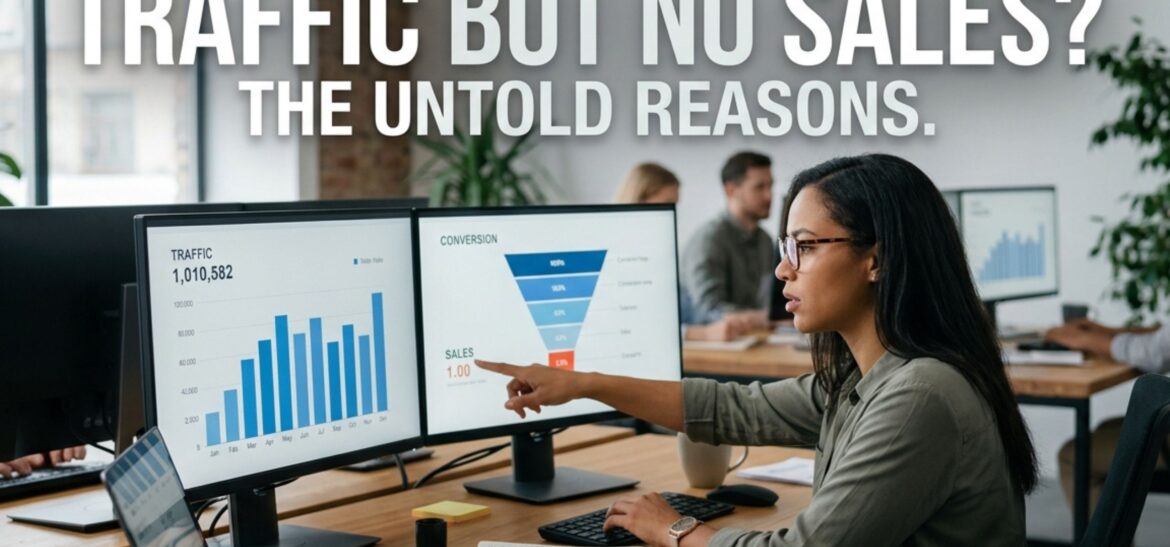
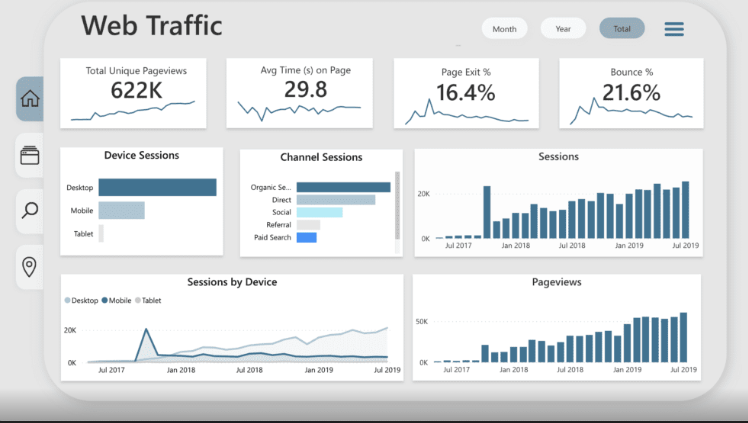
You check your analytics dashboard and things look great. Sessions are climbing. Your organic website traffic numbers are up month over month. Maybe you’re even running paid ads that are pulling in visitors like clockwork.
And yet… the cart stays empty. The contact form goes untouched. Revenue doesn’t move.
If this sounds familiar, you’re dealing with one of the most frustrating problems in digital marketing: a traffic-to-sales gap. And the truth is, it’s rarely about not enough visitors. It’s about what happens to those visitors once they land on your site.
Follow Us on Facebook, Instagram & LinkedIn
Let’s break down why this happens, and exactly what to do website traffic.
How To Optimize Your Website Quickly
1. You’re Attracting the Wrong Audience
Not all traffic is created equal. If your website traffic is coming from broad keywords, clickbait headlines, or poorly targeted ads, you’ll get clicks from people who were never going to buy in the first place.
For example, if you sell premium leather handbags but you’re ranking for “cheap bags,” you’ll get plenty of visitors, just not the kind who want to spend $300.
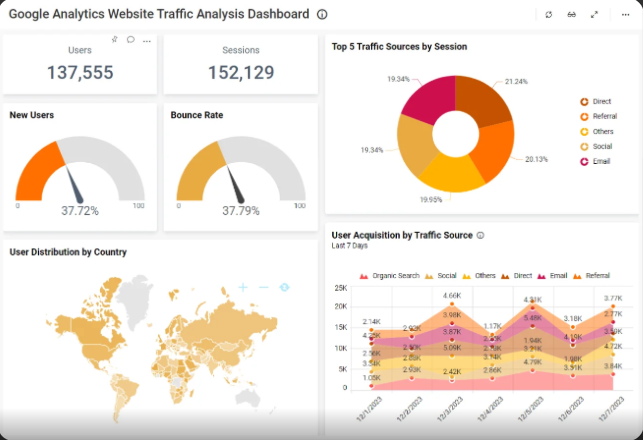
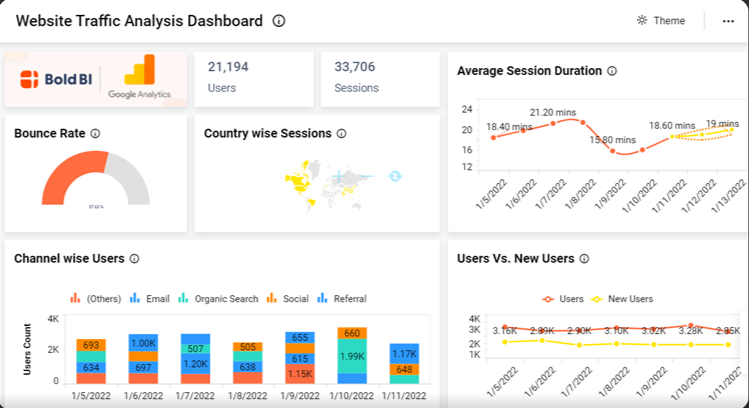
Fix it: Audit your traffic sources in Google Analytics. Look at which channels bring visitors who actually convert versus channels that just inflate your numbers. Tools like Google Search Console can show you exactly which search queries are driving clicks, so you can see if your keywords match buyer intent.
2. Your Value Proposition Isn’t Clear
You have about five seconds before a visitor decides whether to stay or bounce. If they can’t immediately understand what you offer, who it’s for, and why it matters, they’re gone.
A vague headline like “Innovative Solutions for Modern Businesses” tells people nothing. Compare that to “Cut Your Shipping Costs by 30% in 60 Days”, one is forgettable, the other is a reason to keep reading.
Fix it: Rewrite your homepage headline and subheadline to answer three questions instantly: What is this? Who is it for? Why should I care? Your unique selling proposition (USP) should be impossible to miss above the fold.
3. Weak or Missing Calls-to-Action (CTAs)
You’d be surprised how many websites get this wrong. Vague buttons like “Learn More” or “Submit” don’t tell visitors what happens next or why they should click.
Fix it: Use action-driven, benefit-focused CTA copy, think “Get My Free Quote” or “Start Saving Today” instead of generic phrases. Make sure your CTAs are visually distinct, repeated at logical points on the page, and never buried below a wall of text.
4. Poor User Experience (UX)
Slow load times, confusing navigation, intrusive pop-ups, and a checkout process with ten too many steps will kill conversions faster than almost anything else. According to research from the Nielsen Norman Group, usability issues are one of the leading reasons visitors abandon a site before completing an action.
Mobile experience matters even more. If your site isn’t fully optimized for mobile UX, you’re likely losing a huge chunk of potential buyers, mobile traffic now accounts for the majority of web visits across most industries.
Fix it:
- Run your site through Google PageSpeed Insights to check load times.
- Simplify your checkout or contact process to the fewest steps possible.
- Test your site on an actual phone, not just your laptop’s mobile preview.
5. Lack of Trust Signals
People don’t buy from businesses they don’t trust, especially online, where they can’t physically inspect a product or shake your hand. If your site is missing social proof like reviews, testimonials, case studies, security badges, or a clear returns policy, hesitant visitors will simply leave to “think about it” (and never come back).
Fix it: Add genuine customer reviews, star ratings, client logos, and any relevant certifications. Display your contact information, refund policy, and secure checkout badges prominently. Trust isn’t a nice-to-have, it’s often the deciding factor between a sale and a bounce.
6. You’re Not Retargeting or Nurturing Leads
Most visitors won’t buy on their first visit, that’s normal. Studies on customer purchase behavior consistently show that people typically need multiple touchpoints before converting. If you have no retargeting ads, no email capture, and no follow-up sequence, you’re letting warm leads walk away for good.
Fix it: Set up an exit-intent popup offering a discount or freebie in exchange for an email address. Use retargeting ads through Meta or Google Ads to stay in front of visitors who didn’t convert. Build a simple email nurture sequence that reminds them why they were interested in the first place.
7. Your Offer Isn’t Compelling Enough
Sometimes the traffic is right, the design is right, the trust signals are right, and sales still don’t happen because the offer itself just isn’t strong enough compared to competitors.
Fix it: Compare your pricing, guarantees, and bonuses against your top three competitors. Would you buy from you? If the answer is hesitant, it’s time to sweeten the deal, free shipping, a money-back guarantee, or a limited-time bonus can tip the scale.
Bringing It All Together
A high traffic low conversion rate is almost never one single problem, it’s usually a combination of small friction points that add up. The good news is that fixing your conversion rate optimization (CRO) doesn’t require more traffic. It requires paying closer attention to the traffic you already have.
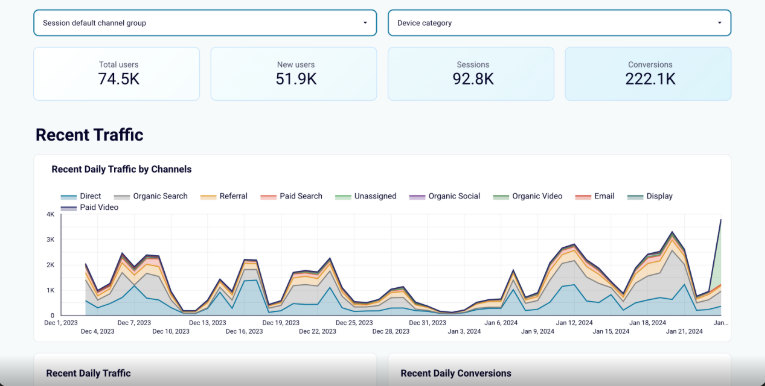
Start by tracking your conversion funnel step by step: where do people drop off? Is it the homepage, the product page, or checkout? Fix the biggest leak first, measure the impact, then move to the next one.
Traffic gets people to your door. Everything else on this list is what gets them to walk through it.
FAQs
What’s considered a “good” conversion rate?
It varies widely by industry, but most e-commerce sites see average conversion rates between 2% and 3%. Service-based businesses and B2B sites often see different benchmarks. The important number isn’t an industry average, it’s your own rate improving over time.
How long does it take to fix a low-conversion website?
Some fixes, like rewriting a headline or clarifying a CTA, can show results within days. Bigger issues like UX overhauls or trust-building through reviews take longer, often 4 to 8 weeks to see a meaningful shift in your data.
Should I focus on getting more traffic or fixing conversions first?
Almost always, fix conversions first. Sending more visitors to a website that isn’t converting just multiplies the problem. Once your site reliably turns visitors into buyers, scaling up traffic becomes far more profitable.